
Commercial Gas Line Installation in Miami-Dade & Broward
New service, tenant build-outs, meter and riser upgrades, and getting gas to equipment that was not there before.
Request Service Now
15+ Years
Serving South Florida
State Licensed
Gas Contractor
Dependable Service
Customer Approved
Commercial Gas
Contractor
Utility and Meter Upgrades Can Affect Your Timeline
On a build-out, the gas piping is rarely what holds up the opening. The utility is.
A commercial load usually needs more gas than whatever service is already at the building, and more gas means an application to the utility, often a new meter, sometimes a riser upgrade, and a timeline that belongs to them rather than to us or to you. That sequence doesn’t compress because the equipment arrived early.
So the useful order is backwards from how most people do it. Work out the connected load first. Find out what the existing service can actually carry. Start the utility conversation. Then order equipment.
Around the Clock Gas Service is a licensed gas contractor, Florida registration LQ12177, working across Miami-Dade and Broward County.
What a Commercial Install Involves
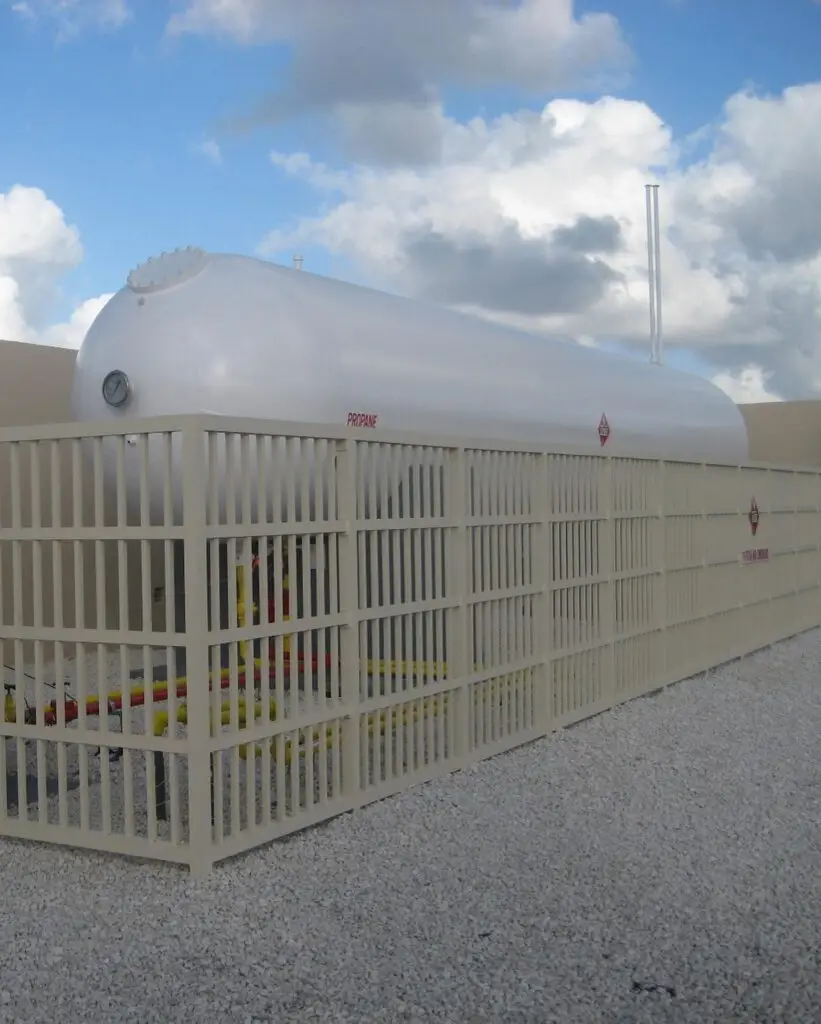
Load calculation across everything that will run, including the equipment somebody is still deciding on. Commercial kitchen equipment is the usual reason the number gets large: a single fryer or a broiler can draw more than an entire residential kitchen.
The service side:
Whether the existing meter and riser can carry the new load, and what the utility needs if they can’t.
The distribution inside the building:
Routing to each piece of equipment, sizing each branch, and putting a shutoff where somebody can actually reach it rather than behind the equipment it serves.
Testing and inspection:
New and altered piping gets pressure tested and inspected before it carries gas. On commercial work that inspection is usually somebody else’s sign-off too, and it’s worth knowing which inspections your opening depends on before the schedule is set.
Keeping the Building Open
Most commercial installs happen in buildings that are still operating. That means phasing: which sections lose gas, when, and for how long. A restaurant doing a kitchen expansion usually wants the existing line live until the changeover, which is a different job from running new pipe into an empty shell, and it’s worth saying which one you have when you ask for a quote.
Build-Outs, Towers, and the HVHZ
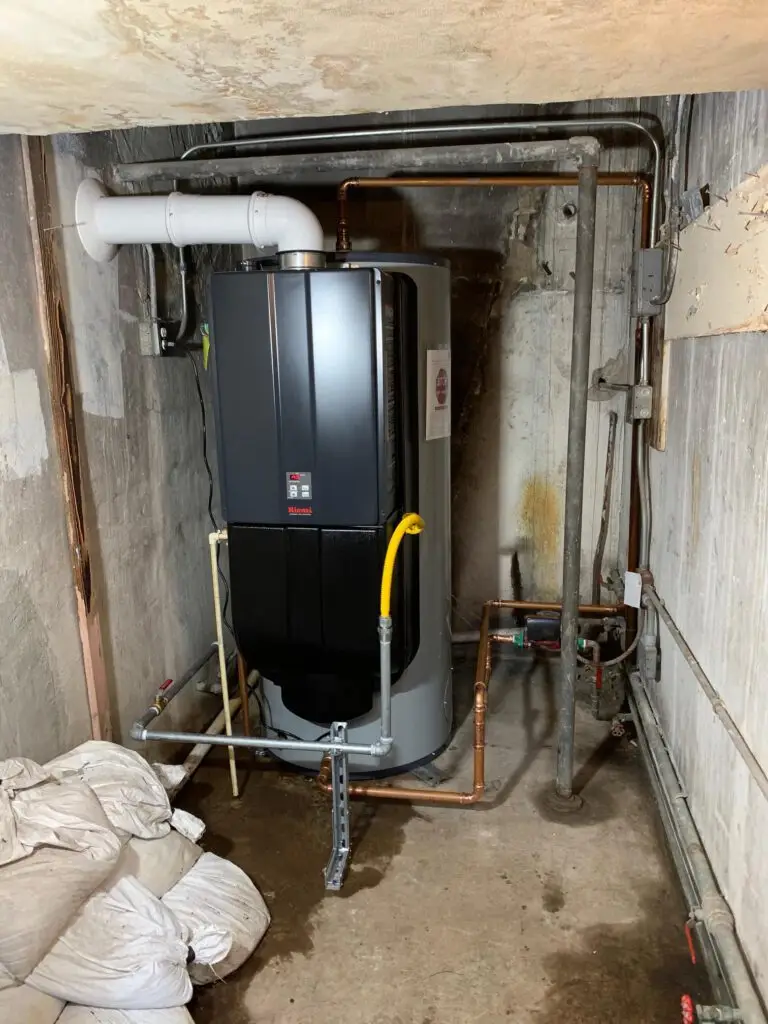
Tenant build-out is a large share of commercial gas work in these two counties, because so much retail and restaurant space turns over inside existing buildings rather than getting built new. The gas that reached the last tenant was sized for the last tenant. A coffee shop replacing an office doesn’t need much. A kitchen replacing a coffee shop needs a different service entirely.
In multifamily the work is usually the riser and the meter bank rather than a single run, and the constraint is that a riser serves a lot of people. Taking it down is a notification exercise before it’s a plumbing one.
Miami-Dade and Broward together make up the High Velocity Hurricane Zone, which is the strictest wind-design regime in Florida and applies in these two counties and nowhere else in the state. For gas work that matters most where equipment and piping sit outside or on a roof. Confirm the requirements with the building department for the specific municipality, because within the HVHZ product approval rules are tighter than the statewide ones.
Speaking of which: there are dozens of separate municipal building departments between the two counties. Tell us which one you are in early. It affects the schedule more than the pipe does.
Property Types This Covers
Restaurants & Commercial Kitchens
Hotels & Hospitality
Multifamily Housing & Apartment Buildings
Retail & Office
Industrial & Manufacturing
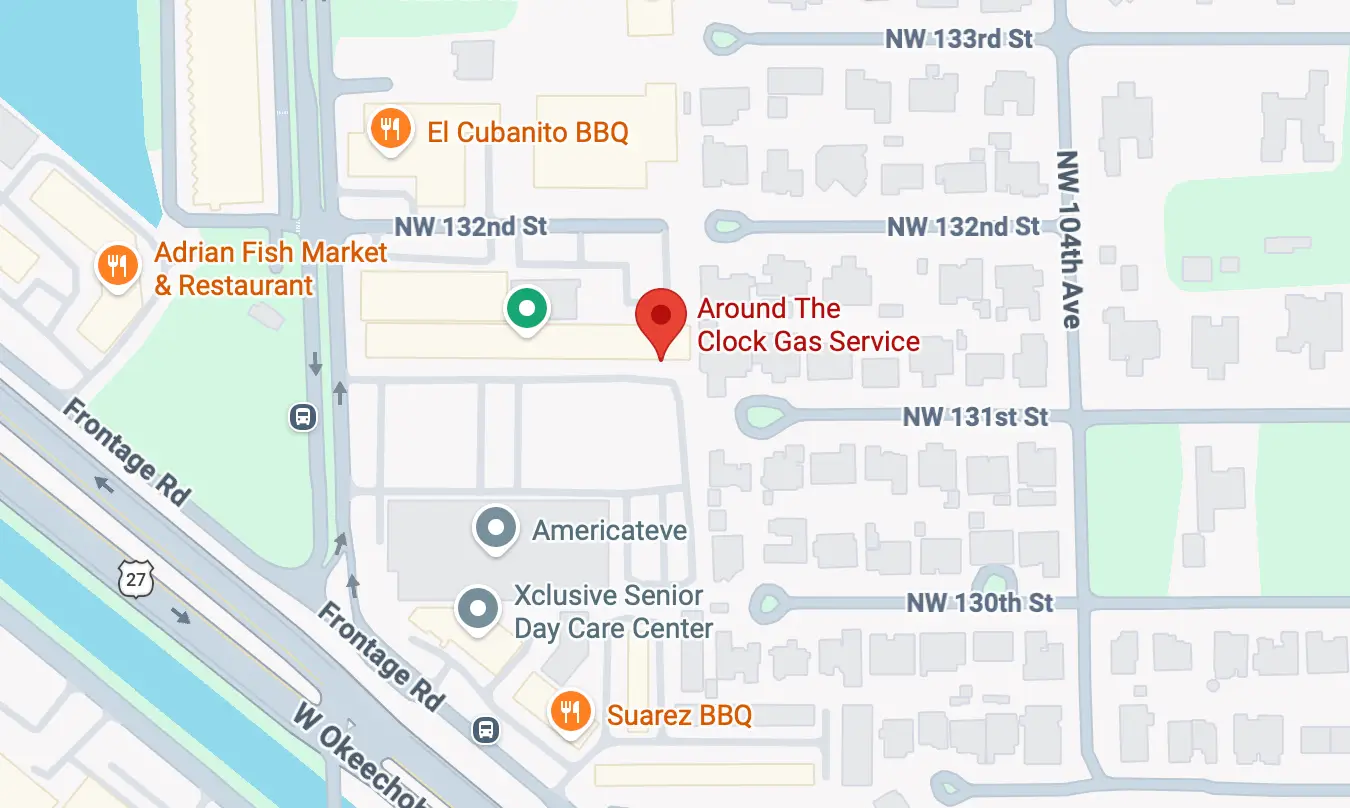
Proudly Serving Miami-Dade & Broward County
We work across Miami-Dade and Broward County from one shop in Hialeah Gardens. Out here traffic decides how long it takes to reach you far more than distance does, so if timing matters for your job, say so and we’ll be straight with you about it.
Miami-Dade County
- Miami
- Miami Beach
- Doral
- Homestead
- North Miami
- Aventura
- Pinecrest
- Key Biscayne
- Hialeah
- Coral Gables
- Kendall
- Cutler Bay
- North Miami Beach
- Sunny Isles Beach
- Palmetto Bay
Broward County
- Fort Lauderdale
- Pembroke Pines
- Coral Springs
- Pompano Beach
- Tamarac
- Weston
- Coconut Creek
- Hollywood
- Miramar
- Davie
- Sunrise
- Deerfield Beach
- Lauderhill
- Margate
Don't Wait On a Gas Problem
Call Around the Clock Gas and get a licensed technician to your door.
Schedule Service or Request a Free Estimate
Have a question, an emergency, or a project in mind?
Call Us
(305) 231-3632
Email Us
Request a Free Quote
Questions About Commercial Gas Line Installation
Here are answers to the questions South Florida homeowners ask us most. Need something else? Just give us a call — we’re happy to help.
Will our existing gas service handle the new equipment?
Often not, and it is the first thing to check rather than the last. Commercial kitchen equipment draws heavily, and the service at the building was sized for whatever was there before. The answer comes from adding up the connected load and comparing it against what the existing meter and line can carry. If there is a gap, you are looking at a utility upgrade.
How far ahead of opening should we start?
Earlier than most people do, and the reason is the utility rather than the pipe. A new or upgraded commercial gas service runs on the utility’s application and installation timeline. Start it before equipment is ordered. Gas piping inside the building is comparatively quick; a meter you are waiting on is not.
Can you work while we stay open?
Usually, with phasing. It means agreeing which sections lose gas and when, and keeping the existing service live until a changeover. It is a different job from running pipe into an empty shell, so say which situation you are in when you ask for a quote, because it changes the sequence and the schedule.
Who pulls the permit on a commercial gas job?
Commercial gas work is permitted and inspected in every municipality across both counties, and there are dozens of separate building departments between them with different processes. Tell us the municipality early. On a build-out the gas inspection is often one of several your opening depends on, and the order they happen in matters.
Is there anything different about gas work in Miami-Dade and Broward?
Yes, and it is not a small thing. These two counties together are the High Velocity Hurricane Zone, the strictest wind-design regime in the state, and it applies here and nowhere else in Florida. It bites hardest on anything mounted outside or on a roof. Product approval rules inside the zone are tighter than the statewide ones, so check requirements with the building department for your specific municipality.