
Commercial Gas Line Repair in Miami-Dade & Broward County
Leaks, pressure loss, failed connectors and inspection findings, planned around the hours you can afford to lose.
Request Service Now
15+ Years
Serving South Florida
State Licensed
Gas Contractor
Dependable Service
Customer Approved
Commercial Gas
Contractor
The Repair is Rarely the Expensive Part
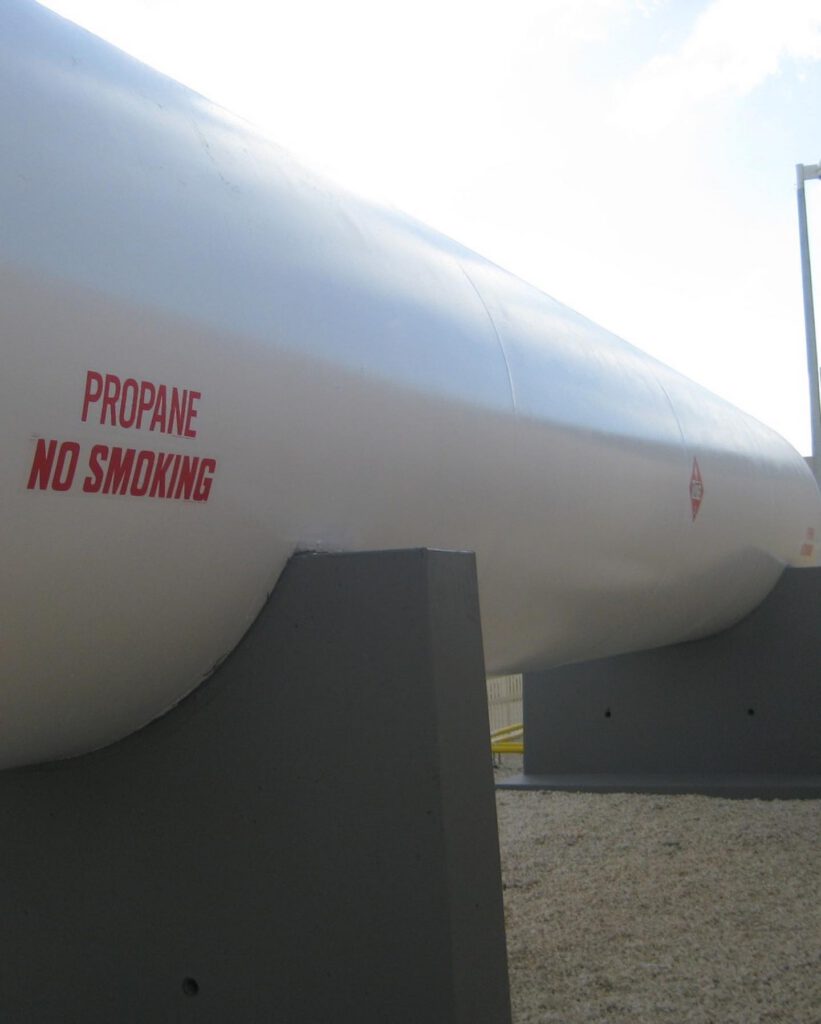
What Usually Fails, and What It Can Cost You
| What is happening | What it usually means |
|---|---|
| Equipment on one leg weak or dropping out under load | Most often the line can't carry the connected load, after equipment was added without resizing. A page can't rule a leak out, and both can be true at once |
| Smell of gas in a kitchen or mechanical room | Treat it as an active leak, at a connector, joint or valve. Clear the area and call the utility or 911 first, then ask what caused it |
| Pilot or burner repeatedly dropping out on one appliance | Supply pressure, a failed safety component, or a partially closed valve somebody moved |
| A connector or flex that has been moved repeatedly | Commercial equipment gets pulled out for cleaning far more often than residential. Connectors fatigue at the same rate they are handled |
| Corrosion at a wall penetration or roof line | Exterior and rooftop runs in this climate take salt and weather that interior pipe never sees |
| Inspection or insurance report flags the gas system | Usually bonding, shutoff access, unsupported pipe or an unpermitted alteration from a previous tenant |
If you smell gas or hear hissing, stop reading and go outside. The rest of this page will still be here.

Risers, Tenants and the Paperwork Trail
In multifamily, the repair is rarely the constraint. A riser serves every unit above it, so taking it down is a notification exercise first and a gas job second. Associations and property managers generally need lead time, and the buildings here are large enough that “we will be there in an hour” is not actually helpful to anybody.
Commercial kitchens fail differently from houses because the equipment gets moved. A range that is pulled out for cleaning every week is a range whose connector is being flexed every week, and connectors fatigue at the rate they are handled rather than at the rate the calendar moves. It is one of the more common findings behind a commercial kitchen leak.
A lot of commercial repairs start with a piece of paper rather than a smell. An insurer, a fire inspector or a building recertification turns up something on the gas system: bonding that was never done, a shutoff nobody can reach, pipe with no support, or an alteration a previous tenant made without a permit. That last one is the expensive category, because putting unpermitted work right means opening it up to be inspected.
Older condominium buildings in these two counties are under structural milestone inspection and reserve requirements that were tightened after 2021, on top of recertification programs Miami-Dade and Broward have run for decades. When a building goes through one, mechanical findings tend to arrive in the same envelope.
If You Smell Gas, Leave First
Get everyone out of the building before you do anything else. Don’t flip switches, don’t unplug anything, don’t use the phone inside, and don’t go hunting for the leak yourself. From outside, call your gas utility’s emergency line or 911. That is the right first call at any hour, and it is free. Then call us.
Proudly Serving Miami-Dade & Broward County
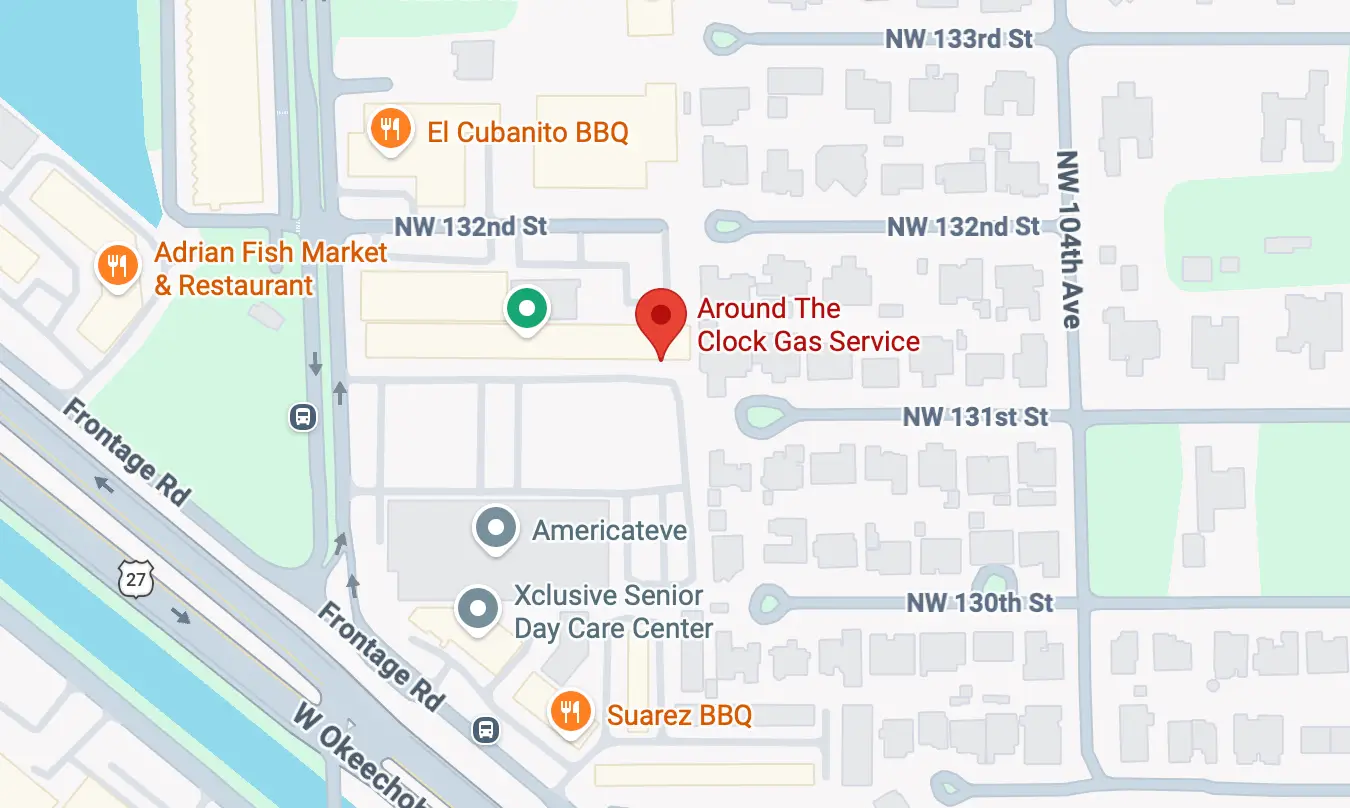
We work across Miami-Dade and Broward County from one shop in Hialeah Gardens. Out here traffic decides how long it takes to reach you far more than distance does, so if timing matters for your job, say so and we’ll be straight with you about it.
Miami-Dade County
- Miami
- Miami Beach
- Doral
- Homestead
- North Miami
- Aventura
- Pinecrest
- Key Biscayne
- Hialeah
- Coral Gables
- Kendall
- Cutler Bay
- North Miami Beach
- Sunny Isles Beach
- Palmetto Bay
Broward County
- Fort Lauderdale
- Pembroke Pines
- Coral Springs
- Pompano Beach
- Tamarac
- Weston
- Coconut Creek
- Hollywood
- Miramar
- Davie
- Sunrise
- Deerfield Beach
- Lauderhill
- Margate
Property Types This Covers
Restaurants & Commercial Kitchens
Hotels & Hospitality
Multifamily Housing & Apartment Buildings
Retail & Office
Industrial & Manufacturing
Schedule Service or Request a Free Estimate
Have a question, an emergency, or a project in mind?
Call Us
(305) 231-3632
Email Us
Request a Free Quote
Questions About Commercial Gas Line Repair
Here are answers to the questions South Florida homeowners ask us most. Need something else? Just give us a call — we’re happy to help.
Can you work outside our operating hours?
Often, when it’s arranged in advance. Our hours are Monday to Friday, 8:00am to 4:00pm, and work outside them can be scheduled when a job needs it, which on a kitchen or a riser it frequently does. Tell us the window and we’ll tell you honestly whether we can hit it. Separately, on a live gas smell at any hour, clear the building and call your gas utility’s emergency line or 911 first. That is the correct first call regardless of who your contractor is, and the utility can shut the service.
Our kitchen is down. What do you need to know when we call?
Which equipment is affected, whether you are still operating, and what window you have. Those three answers decide the order of everything else. If you know whether anything was recently added to the gas system, say that too, because a piece of equipment added without resizing the line is one of the more common causes of a sudden problem that looks like a fault.
Our building needs the riser worked on. How does that go?
Slower than a single-unit repair, and most of that is notification rather than pipe. A riser serves every unit above it, so the shutdown has to be scheduled and residents told. Property managers usually need lead time for that, so the useful first conversation is about when the building can lose gas, not about how fast we can get there.
An inspection flagged our gas system. Can you deal with it?
Usually, and the first step is reading the actual finding rather than the summary. The common ones are CSST that was never bonded, a shutoff valve nobody can reach, unsupported pipe, and alterations a previous tenant made without a permit. The last of those is the one that grows, because correcting unpermitted work means having it inspected.
Why do commercial connectors fail more often than residential ones?
Mostly because they are handled more. Commercial kitchen equipment gets pulled out for cleaning on a schedule, and every time it moves, the flexible connector behind it flexes. They fatigue at the rate they are handled, not at the rate the calendar moves. A connector on a range that is pulled weekly is in a completely different situation from one behind a domestic cooker nobody has moved in a decade.